.svg)
Everything on running mentoring programmes, plus L&D, retention, inclusion and remote team building

7 Meaningful Answers to "What Are Your Career Aspirations?" in an Interview
You do not need a perfect five-year plan to explain where you want your career to go. Use these seven sample answers to describe a direction that feels honest, specific, and relevant to the job.

Mentoring Best Practices: 19 Habits for Programs, Mentors and Mentees
Practical mentoring best practices for the three people who make mentoring work: the program manager who designs it, the mentor who guides and the mentee who drives the relationship, plus a do-and-avoid checklist.
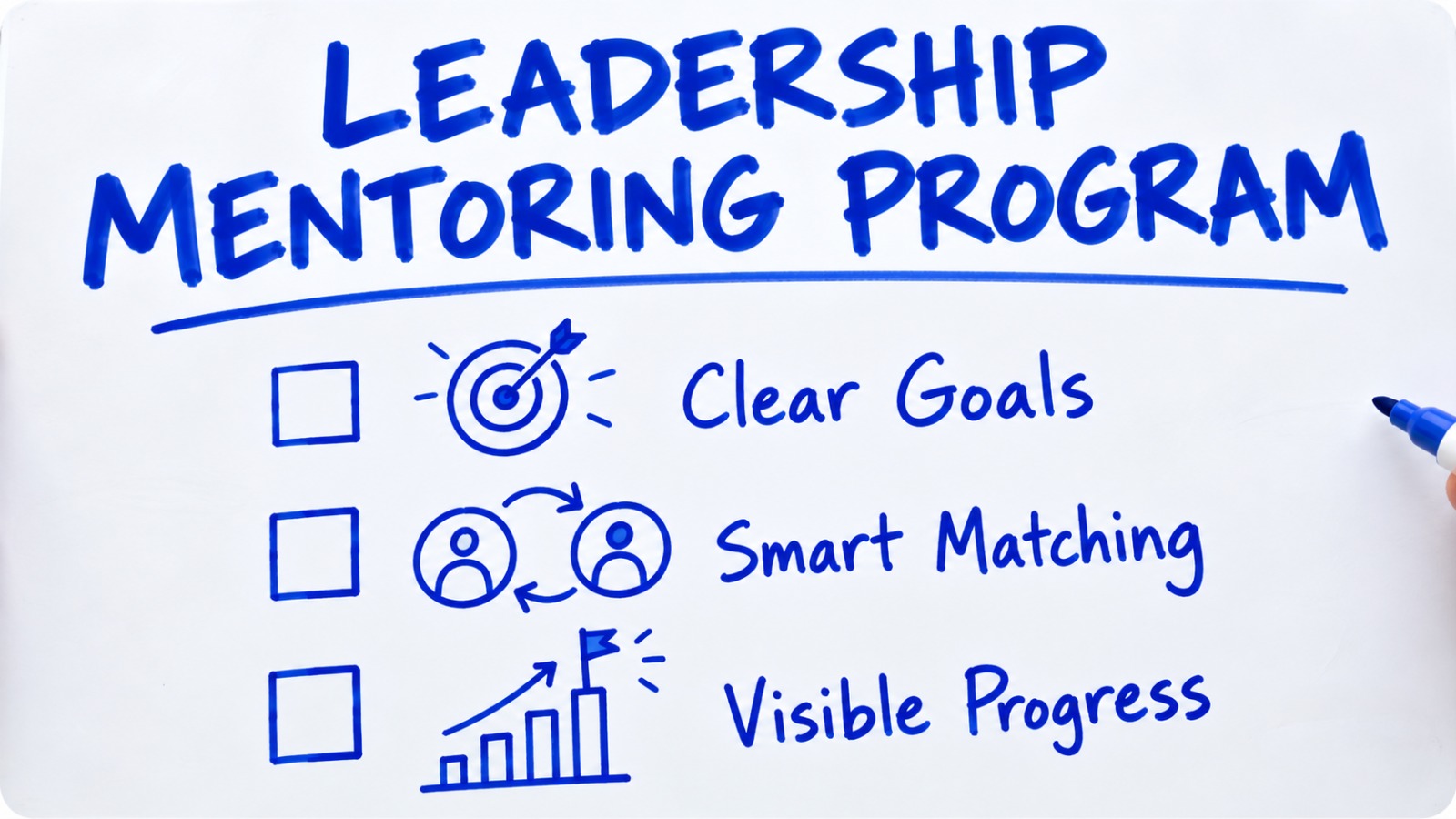
Leadership Mentoring Program: How to Design One That Builds Real Leaders
A practical guide for HR and L&D teams on designing a leadership mentoring program: choosing participants, recruiting and matching senior mentors, a 90-day launch plan, what to measure and the mistakes that stall leadership development.

Virtual Mentoring Guide for Strong Remote Relationships
A practical guide for mentors and mentees working remotely: how to build trust over video, run a focused virtual session, mentor asynchronously and across time zones, and avoid the mistakes that make remote mentoring fade.

Mentor Training Program: What to Cover, a 4-Week Curriculum and How to Run It
A mentor training program prepares employees to mentor well before they meet their first mentee. This guide covers the skills to build, an eight-topic curriculum, a four-week plan and how to measure whether the training worked.

How to Ask Someone to Be Your Mentor (With Email Templates)
Asking for mentorship works best when the request is specific, personal, and easy to accept. This guide shows you how to choose the right person, make a low-pressure first approach, and use seven templates for common situations.

Mentoring Program Goals: 20 Examples With Metrics
Mentoring program goals should state what the organization expects to change, who is included, how progress will be measured, and when the result will be reviewed. Here are 20 examples with metrics for HR and L&D leaders.

Intergenerational Conflict at Work: How Mentoring Builds Collaboration
Generational labels can turn ordinary differences in career stage, communication, and experience into workplace conflict. Structured mentoring helps employees replace assumptions with relationships, exchange knowledge in both directions, and build practical ways of working together.
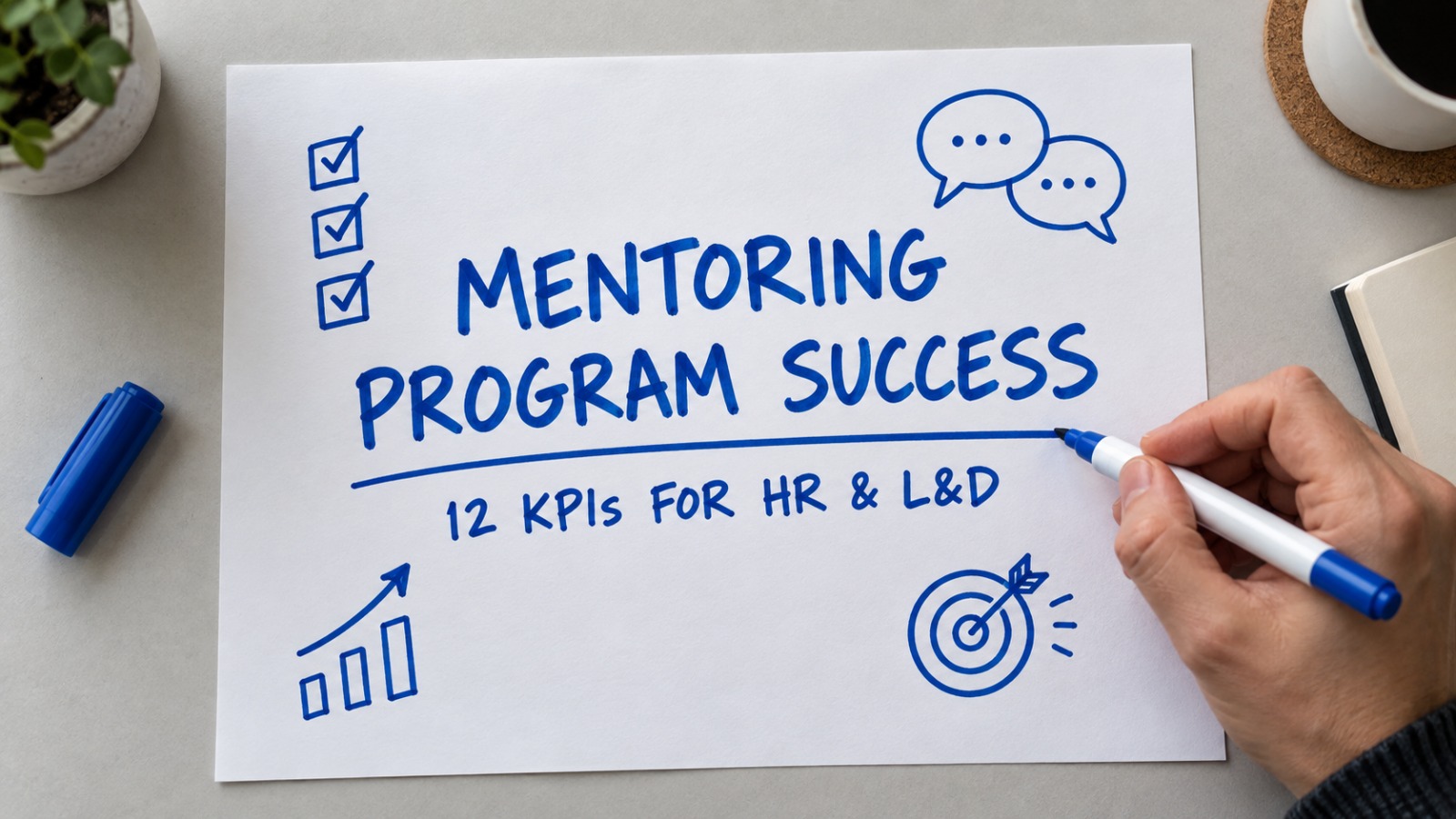
How to Measure Mentoring Program Success: 12 KPIs for HR and L&D Leaders
Most mentoring dashboards count matches and meetings. Learn the 12 mentoring program KPIs that show participation, relationship quality, development outcomes and ROI.

Why AI Learning at Work Needs Human Mentoring
Courses can introduce employees to AI, but they cannot anticipate every role, workflow, or judgment call. Human mentoring helps people turn AI knowledge into responsible, repeatable workplace practice-and Mentorgain gives organizations the structure to support that learning at scale.
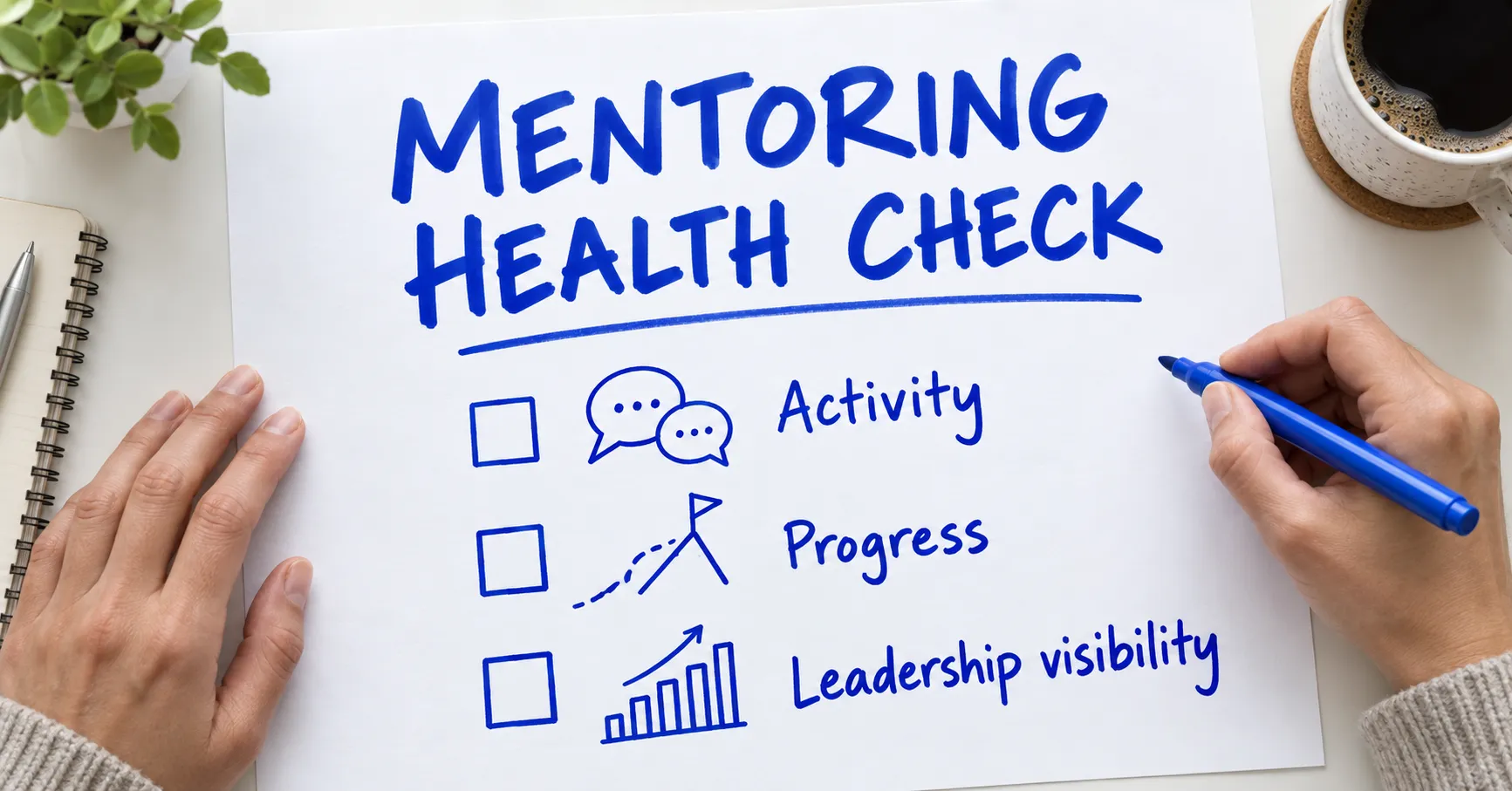
Is Your Mentoring Program Working? A Three-Minute Health Check for Leaders
Are mentoring relationships active, participants progressing, and leadership able to see useful evidence? Take the three-minute Health Check and choose one practical improvement.
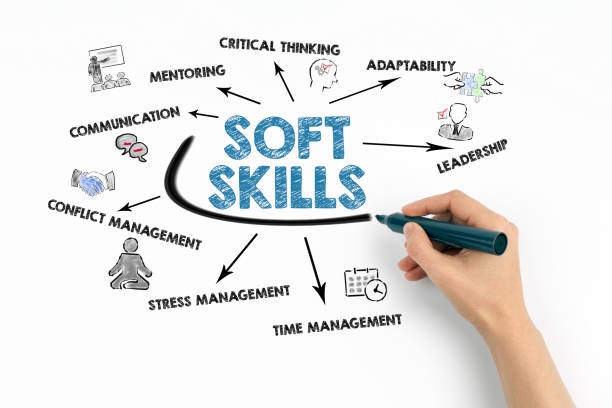
Soft Skills in the Workplace: Why They Matter and How to Build Them
Soft skills turn technical knowledge into useful action. Here are the nine essential soft skills, how to develop them without it feeling like homework, and how mentoring accelerates growth.
.webp)