.svg)
The Power of Mentorship

The Role of Mentorship in Organizational Growth
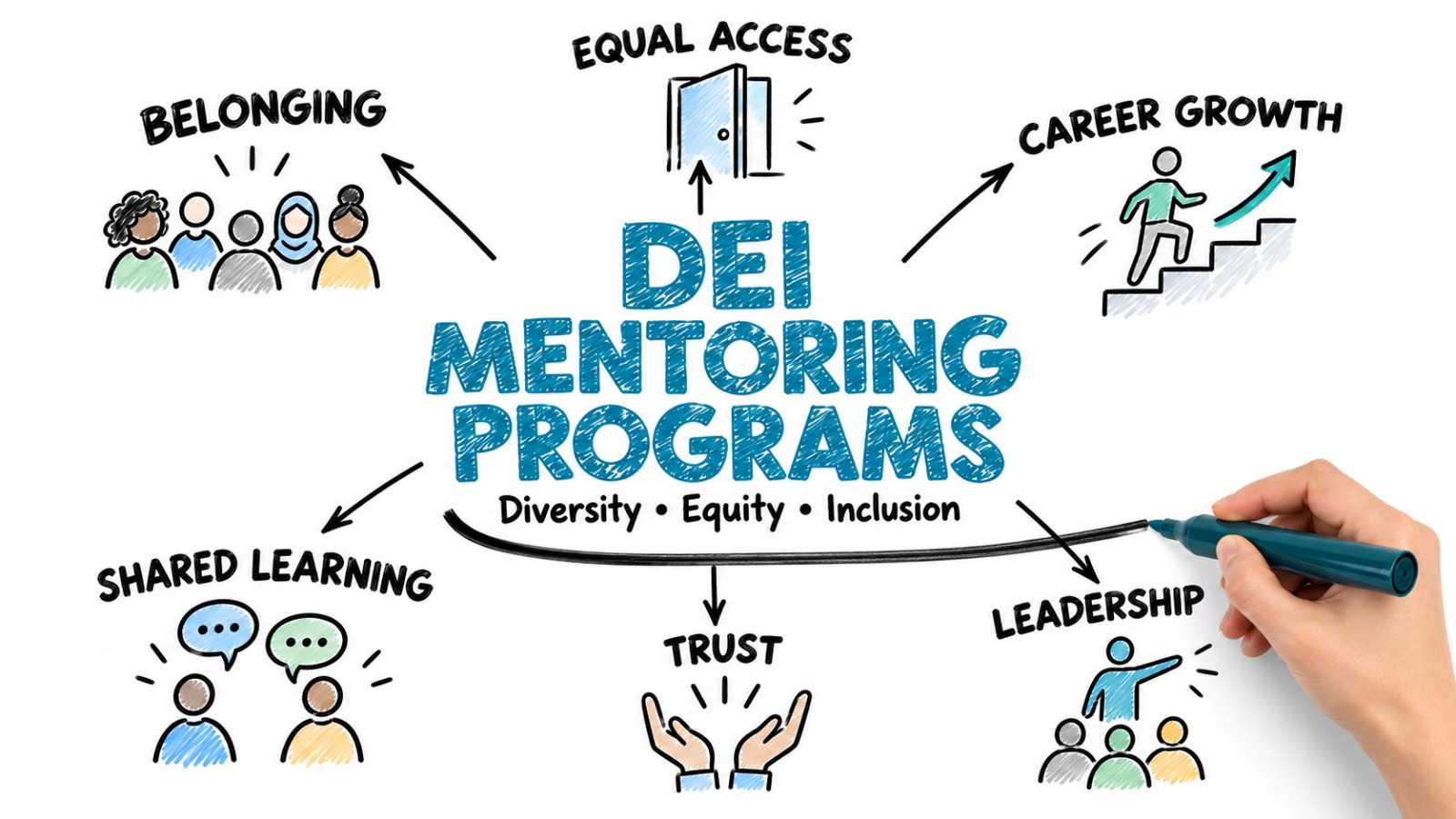
Often, mentorship is confused with coaching, creating a blurred perception of its real essence. While both are developmental in nature, mentoring is a relationship-based activity with a long-term focus, whereas coaching tends to be a task-based, short-term engagement. For organizations betting on longevity and sustainable growth, establishing a mentorship programme can be a major catalyst.
Mentoring brings a plethora of benefits to the table, from enhancing communication skills and leadership abilities to fostering a culture of continuous learning and enhancing job satisfaction. More importantly, it strengthens the organizations ability to retain its employees - a critical factor in maintaining momentum in today's volatile business environment.
A Multi-dimensional Perspective
What makes mentorship truly enriching is its multi-dimensional nature. It isn’t a lecture series. It’s a journey, a dynamic two-way exchange that enriches both the mentor and the mentee.
From a personal viewpoint, mentoring provides a platform for individuals to share their experiences, learn new perspectives, and refine their skill set. From an organizational viewpoint, it fuels knowledge sharing, promotes a healthy work culture, and builds a strong leadership pipeline.
A latest trend in centre stage is automated mentoring. As technology edges into every aspect of work, mentoring is no exception. Automated mentoring utilises saas mentoring software or mentoring software for better, scalable mentoring programs. However, it doesn't eliminate the human touch but complements it, by letting the 'human mentoring' focus on things that software cannot replicate - like empathy, trust and personal connection.
A recent study by the American Society for Training and Development revealed that companies that implement a mentoring program see higher employee engagement and retention. 77% of companies claimed that mentoring programs were instrumental in increasing employee retention and job performance.
Another study indicated that mentoring is strongly associated with promotion rates. Employees who received mentorship were 5 times more likely to be promoted, and mentors were 6 times more likely to receive a promotion.
Final Thoughts
A thriving mentorship programme is not just a stepping stone to individual success; it spirals up to form the bedrock of organizational excellence - fostering a culture of continuous learning, seeding leadership at all levels, and creating a resilient, future-ready workforce. Remember, 'empowerment' is the mantra. As Benjamin Franklin rightly quoted, "Tell me and I forget, teach me and I may remember, involve me and I learn". A mentor doesn't simply dole out answers, but guides the mentee towards finding their own, generating a ripple effect of empowerment that spreads across the entire organization.
The time has come to step off the well-trodden path of lone warriors and embrace the age of mentorship for a sustainable path to growth.
.webp)



.webp)