.svg)
What Is DEI? Meaning, Evolution, and Why It Matters at Work
August 21, 2026
Gauri Gokhale
DEI stands for Diversity, Equity and Inclusion — a framework for building workplaces where opportunity is distributed on merit rather than proximity or privilege.
Diversity, Equity, and Inclusion (DEI) has become one of the most discussed and often misunderstood concepts in the modern workplace. While many organizations talk about DEI, fewer truly understand what it means, how it has evolved, and why it plays such a critical role in addressing favouritism, bias, and discrimination at work.
At its core, DEI is about creating fair systems, inclusive cultures, and equal access to opportunity, so people can grow based on merit rather than proximity, privilege, or perception.
What Does DEI Mean? (With Examples)
Understanding DEI starts with understanding each component and how they work together.
Diversity: Who Is Present
Diversity refers to the range of differences represented in an organization. This includes gender, age, ethnicity, ability, neurodiversity, socio-economic background, education, culture, and lived experiences.
Workplace examples of diversity:
- Hiring across genders, regions, and backgrounds
- Teams that include both early-career and experienced employees
- Representation of different perspectives and life experiences
Diversity answers the question: Who is in the room?
Equity: Who Gets Access and Opportunity
Equity focuses on fairness. It recognizes that people start from different places and may need different levels of support to achieve similar outcomes.
Workplace examples of equity:
- Transparent promotion criteria instead of manager discretion
- Equal access to high-impact projects and mentorship
- Pay structures that correct historical imbalances
Equity answers the question: Are the rules fair for everyone?
.png)
Inclusion: Who Feels Valued and Heard
Inclusion is about day-to-day experience. An inclusive workplace ensures people feel respected, psychologically safe, and encouraged to contribute fully.
Workplace examples of inclusion:
- Everyone gets space to speak in meetings
- Feedback is constructive and unbiased
- Decisions are explained, not gatekept
Inclusion answers the question: Do people belong once they’re in the room?
Together, diversity without inclusion leads to attrition, and equity without structure leads to inconsistency. DEI only works when all three are addressed together.
How DEI Has Evolved in the Workplace
Earlier DEI efforts were largely compliance-driven - focused on policies, quotas, and training programs designed to avoid discrimination. Over time, organizations realized that representation alone did not lead to fairness or better outcomes.
Modern DEI has evolved into a systems-level approach, examining:
- How decisions are made
- How performance and potential are assessed
- Who gets visibility, sponsorship, and growth opportunities
Today, effective DEI is less about intent and more about designing processes that reduce bias by default.
How DEI Helps Reduce Favouritism at Work
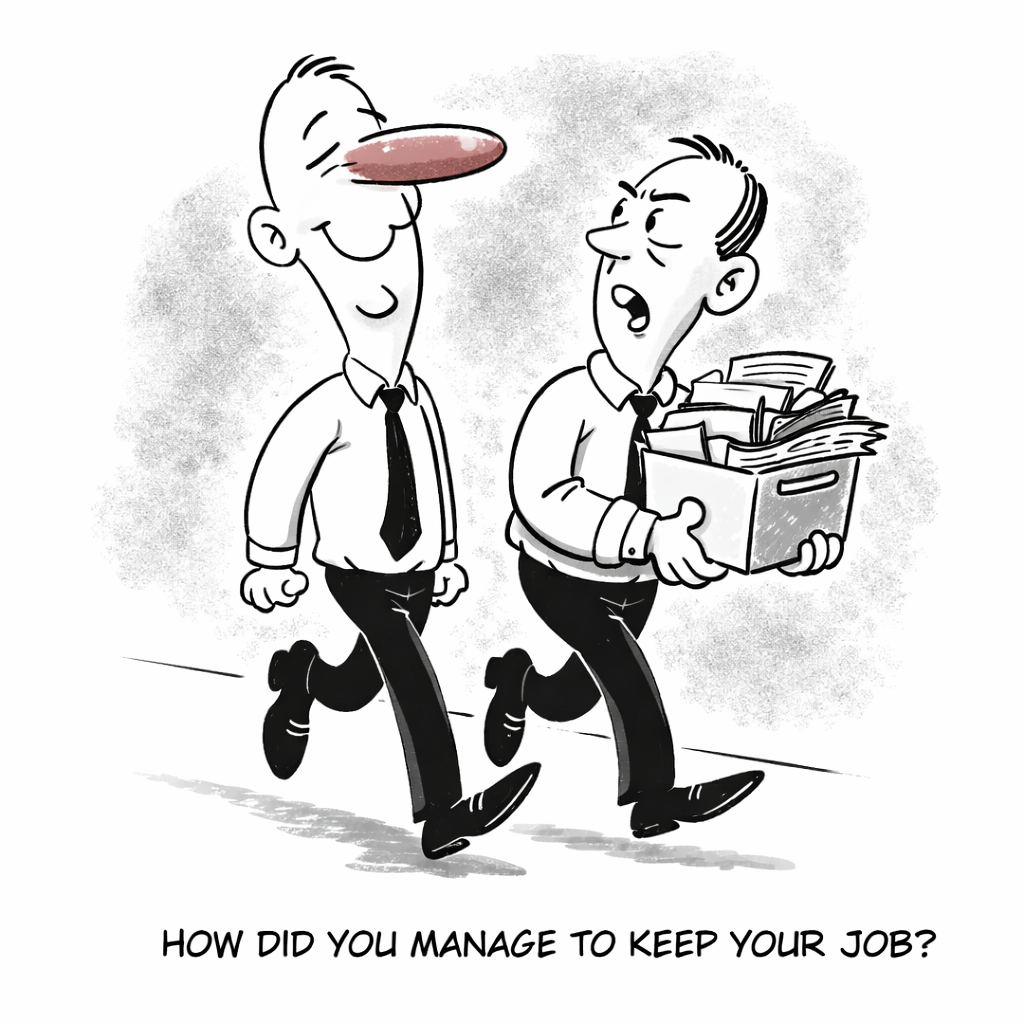
Favouritism often thrives in environments where decisions are informal, undocumented, and subjective. DEI helps address this by encouraging structure and transparency.
DEI-driven organizations:
- Define clear criteria for promotions and growth
- Reduce reliance on informal networks
- Encourage accountability in leadership decisions
When expectations are clear and processes are visible, favouritism has far less room to operate.
How DEI Helps Address Workplace Discrimination
Discrimination at work is rarely obvious. It often shows up in subtle ways- whose ideas are trusted, who is interrupted, who gets second chances.
DEI helps by:
- Increasing awareness of unconscious bias
- Creating safer feedback and escalation channels
- Ensuring policies are applied consistently
The focus shifts from blaming individuals to fixing systems that allow bias to persist.
Why DEI Is Important for Organizations Today
Organizations that invest in DEI see tangible benefits:
- Higher employee engagement and retention
- Stronger leadership pipelines
- Better decision-making through diverse perspectives
- Healthier, more resilient workplace cultures
DEI is not about lowering standards, it is about ensuring standards are applied fairly.
DEI Is a Practice, Not a Policy
DEI is not a one-time initiative or a checkbox exercise. It is an ongoing practice reflected in how organizations hire, mentor, promote, and develop people.
When done right, DEI reduces favouritism, limits discrimination, and builds workplaces where people grow because they are capable — not because they are connected.
And that is what truly inclusive workplaces are built on.





.webp)